
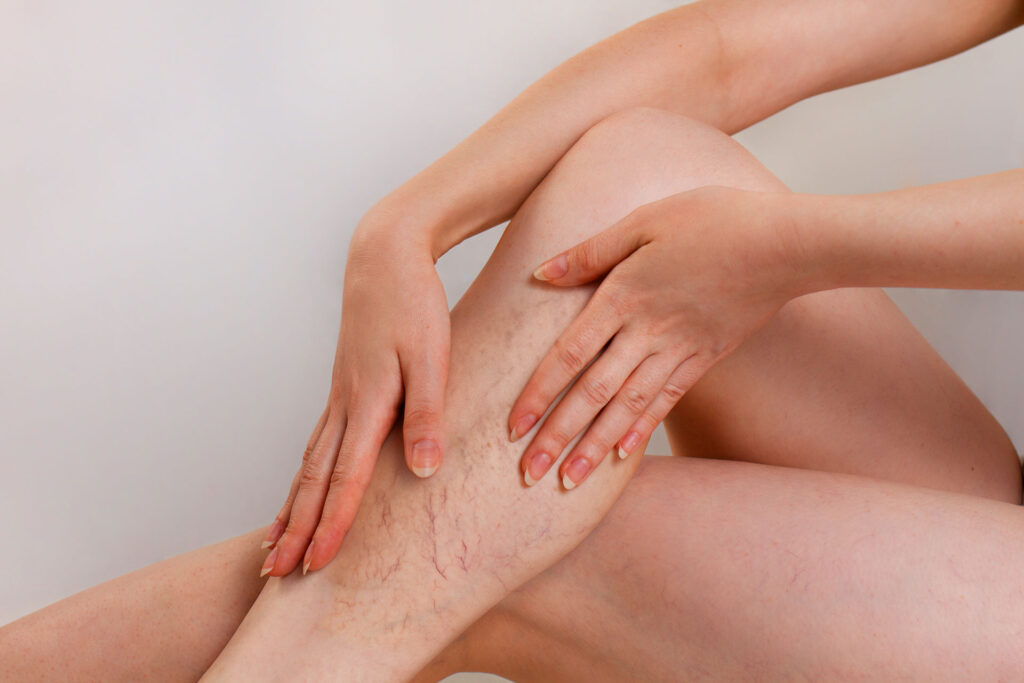
Many people wonder how to get rid of varicose veins and hope they will disappear on their own. They try walking more, elevating their legs, or just waiting for the body to fix things quietly in the background. But varicose veins don’t work that way. Inside the vein, tiny valves that should push blood upward stop doing their job. Blood drifts backward. Pressure builds. The vein stretches and stays stretched. And once that mechanism fails, the body doesn’t truly repair it. So what does waiting actually do for varicose veins?
The Valve Breakdown
Blood climbs upward through your leg veins, constantly fighting gravity. Small valves stop it from flowing backward. Blood pushes up, valve opens. Gravity pulls down, valve closes. This keeps everything moving in the right direction instead of sloshing around.
When a valve weakens, it stops closing properly. Blood leaks backward through the gap. It accumulates in the vein below. Pressure from this pooled blood stretches the vessel wall outward, creating the twisted, bulging appearance you can see and feel beneath your skin. Conditions like varicose veins pregnancy, prolonged standing, obesity, or genetics can all contribute to this valve breakdown, making varicose veins more likely to develop.
Your body has no mechanism for growing replacement valves. No way to patch damaged ones either. The damage persists.

Things Get Worse
Varicose veins enlarge over time rather than shrinking. Pooled blood exerts constant pressure on vessel walls that are already stretched, causing them to expand further. As more valves fail and pressure spreads through the vein, new varicose veins can form in nearby vessels as your circulatory system reroutes blood. Because the underlying valve damage persists, the question of can varicose veins go away has a clear answer: without treatment, they rarely improve on their own and often worsen with time.
What typically happens:
- Existing veins grow thicker and more prominent
- Fresh bulges surface in areas that were previously clear
- Legs feel increasingly heavy as the day progresses
- Swelling intensifies gradually over weeks and months
Some people develop skin problems. Brown discoloration appears around the ankles and creeps upward. The tissue becomes thin, almost papery. In severe instances, venous ulcers form, wounds that refuse to close because blood flow in that region has deteriorated so much. Certain populations, including varicose veins black people, may notice these skin changes differently or experience higher risks of complications. This represents the natural course without treatment.
Lifestyle Adjustments Help Temporarily
Exercise provides relief while you’re doing it. Walking, swimming, cycling, and other activities that engage your calf muscles squeeze the veins and propel blood upward. Pooling decreases. Discomfort lessens. Stop moving? Relief stops, too. While these habits can help, they show that how to stop varicose veins naturally is limited, as such adjustments provide only temporary easing rather than a permanent fix.
The broken valves remain broken. Exercise compensates for their dysfunction momentarily without addressing the structural defect causing the problem. Compression stockings function similarly by applying external pressure to your legs, forcing blood upward despite internal valves failing to do their job. Symptoms improve during wear. Remove them? Everything returns.
Additional measures that manage symptoms:
- Propping your feet up reduces swelling briefly
- Weight loss decreases strain on leg vessels
- Limiting prolonged standing slows progression
These approaches delay worsening. They don’t undo existing damage.
Are Varicose and Spider Vein Treatments Permanent?
Modern procedures eliminate varicose veins entirely. Ablation seals vessels using thermal energy. Sclerotherapy collapses them through chemical injection. VenaSeal closes them with a medical adhesive. ClariVein combines mechanical irritation with chemical sclerosis.
Each method destroys the defective vein. Your body absorbs the remnants. Blood reroutes through healthy vessels. Symptoms cease. Visible bulging disappears. By addressing the underlying varicose veins cause, faulty valves, treatment removes the entire malfunctioning vessel from your circulatory system and solves the fundamental problem.
The Reality?
Varicose veins don’t heal on their own. They linger, sometimes swell, sometimes ache, and occasionally lead to complications that quietly weigh down your daily movement. Understanding how to get rid of varicose veins isn’t just about easing symptoms, compression stockings, gentle exercise, or lifestyle tweaks may help, but they cannot repair the tiny valves inside the veins that have failed. Once those valves break, they rarely mend on their own.
Achieving permanent elimination requires medical intervention. The procedures exist, have been refined extensively, and produce reliable results. Delaying vein treatment permits additional valves to fail, more vessels to become varicose, and complications to develop while the condition steadily worsens.
Frequently Asked Questions
Will varicose veins go away if I exercise more?
Exercise helps move blood temporarily but doesn’t fix broken valves. Once you stop moving, pooling returns. It’s a management tool, not a cure.
Are varicose veins just a cosmetic problem?
Not always. Beyond appearance, they can cause heaviness, swelling, skin changes, and in serious cases, venous ulcers or blood clots.
How do I know if I need treatment?
If symptoms like leg heaviness, swelling, or skin discoloration are affecting your daily life, it’s worth seeing a vein specialist. A simple ultrasound can reveal what’s happening beneath the surface.
Don’t ignore the signs, consult a vein specialist now.