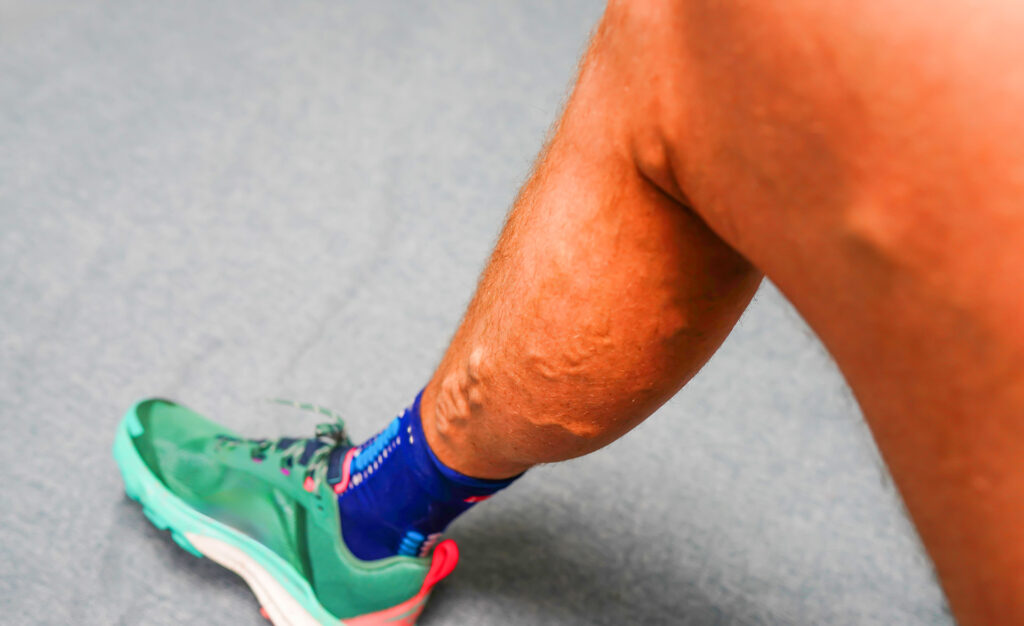
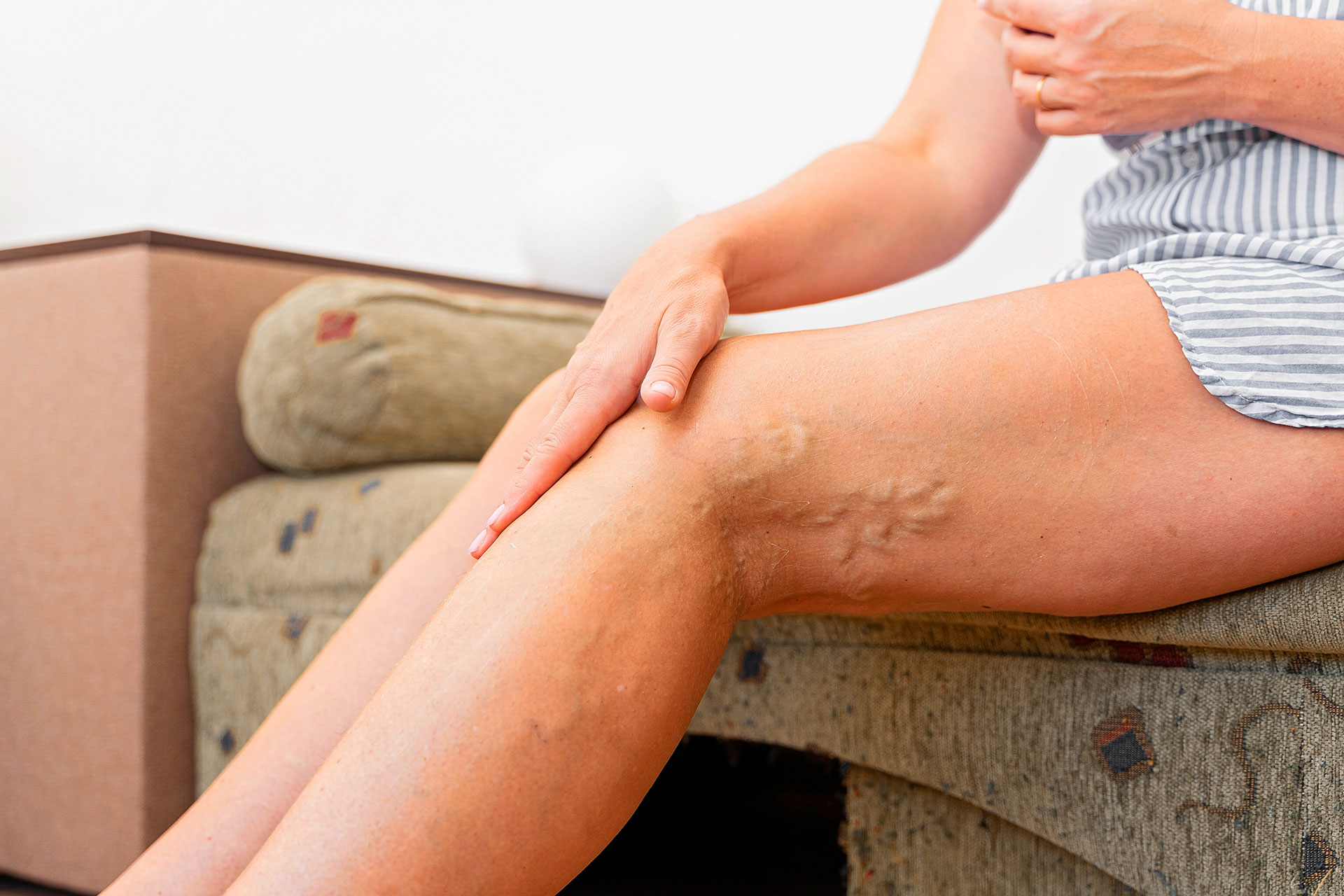
When healthy veins fail to function properly, a condition known as venous insufficiency develops, and in more serious cases it can be associated with complications such as deep vein thrombosis. This medical issue frequently manifests as varicose veins, those twisted, enlarged blood vessels that appear blue or purple beneath the skin’s surface.
These visible veins emerge when valve structures or vessel walls lose their natural elasticity. Without proper elasticity, these compromised vessels cannot efficiently return blood toward the heart, resulting in backward flow and accumulation in the lower extremities.
While many dismiss varicose veins as merely cosmetic concerns, others experience disruptive symptoms including leg cramps, persistent aching, and sensations of heaviness or fatigue in their legs.
These warning signs shouldn’t be ignored. Your body may be signaling serious health risks that require attention.
What Are the Hidden Dangers of Varicose Veins?
When varicose veins remain untreated, they can lead to serious medical complications, including conditions such as venous insufficiency. Here are five critical dangers you should know about:
Edema (Fluid Retention and Swelling)
Increased pressure within damaged veins can force fluid from the bloodstream into surrounding tissues, creating noticeable edema leg swelling in the lower extremities. This leaked fluid, which appears clear or slightly yellow, may even seep through the skin. Over time, affected areas can develop discoloration and a hardened texture.
Severe cases can make everyday activities challenging, with some individuals finding it difficult to wear their regular footwear due to excessive swelling.
Varicose Eczema and Infection Risk
This skin condition specifically affects people with varicose veins, causing the overstretched skin to become dry, flaky, glossy, and intensely itchy. Red or purple lesions and open sores called venous ulcers may develop on the lower legs, often serving as visible signs symptoms of worsening vein disease.
When skin becomes distended from swelling, the body’s natural defense mechanisms weaken. This creates an entry point for surface bacteria to penetrate deeper tissues, potentially triggering cellulitis, a serious bacterial infection.
Cellulitis symptoms include elevated body temperature, chills, nausea, vomiting, expanding areas of redness, escalating pain, and loss of sensation. The infection can migrate to other body regions and, in extreme situations, may require surgical intervention to remove necrotic tissue.
Hemorrhage (Excessive Bleeding)
Varicose veins create reservoirs of blood accumulation just beneath the skin. Even minor trauma or cuts to affected areas can produce substantial blood loss. In certain instances, bleeding can occur without any external injury, and may appear alongside other warning signs of leg clot or advanced vein disease.
People often first become aware of the problem when they notice blood flowing down their leg, sometimes accompanied by lightheadedness. Severe injuries may result in prolonged bleeding that proves difficult to control, potentially becoming life-threatening.
Elderly patients face elevated risks of spontaneous bleeding due to increasingly fragile vein walls. One documented case involved a 66-year-old woman who died from massive blood loss caused by a ruptured varicose vein.
Thrombophlebitis and Deep Vein Thrombosis (Vein Inflammation with Clotting)
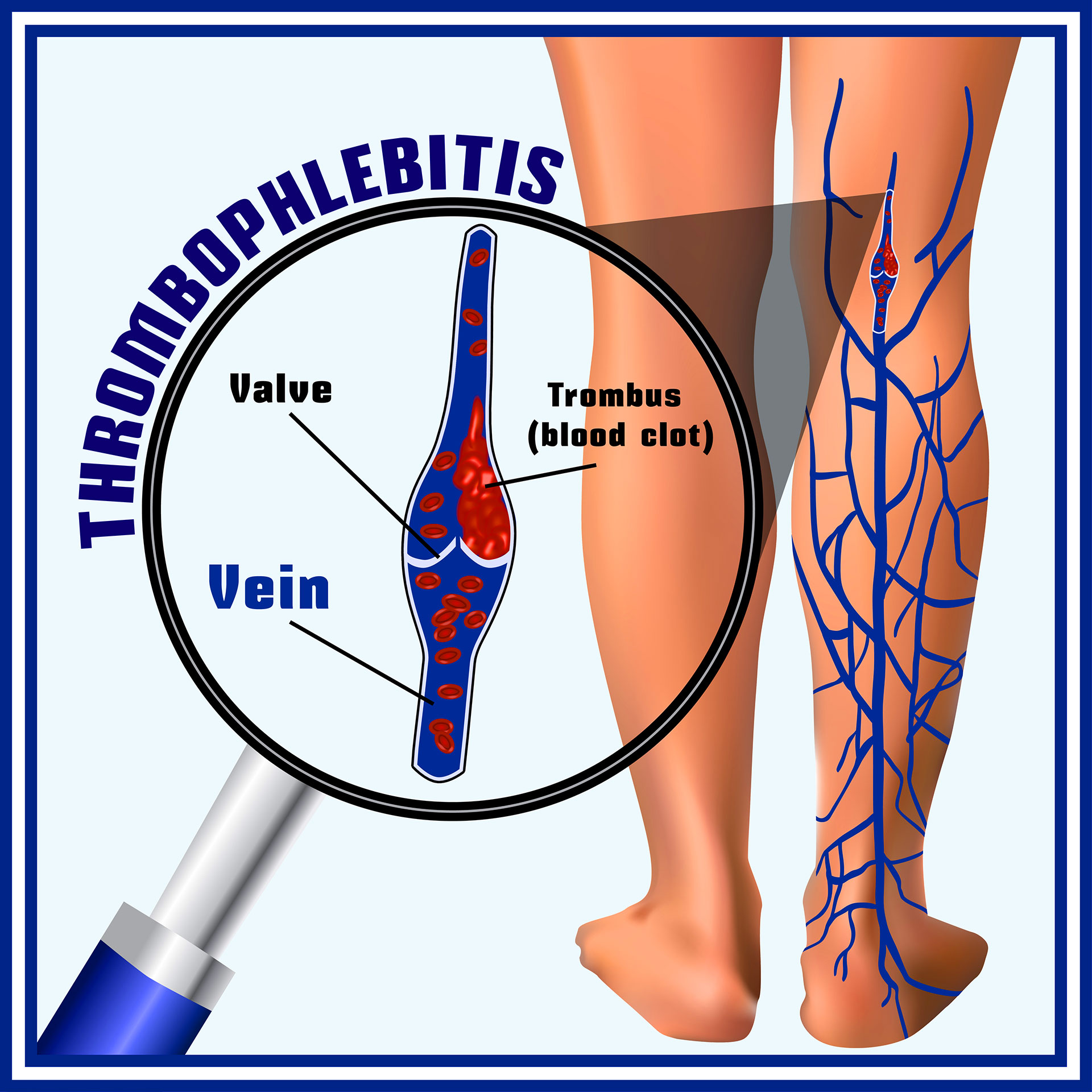
This condition involves inflammation in surface-level veins triggered by blood clot formation, a process medically referred to as vein thrombosis. Typical symptoms encompass swelling, pain or tenderness in the affected limb, reddened skin, and impaired mobility.
Episodes of superficial thrombophlebitis generally persist between two and six weeks. When connected to varicose veins, patients often experience repeated occurrences.
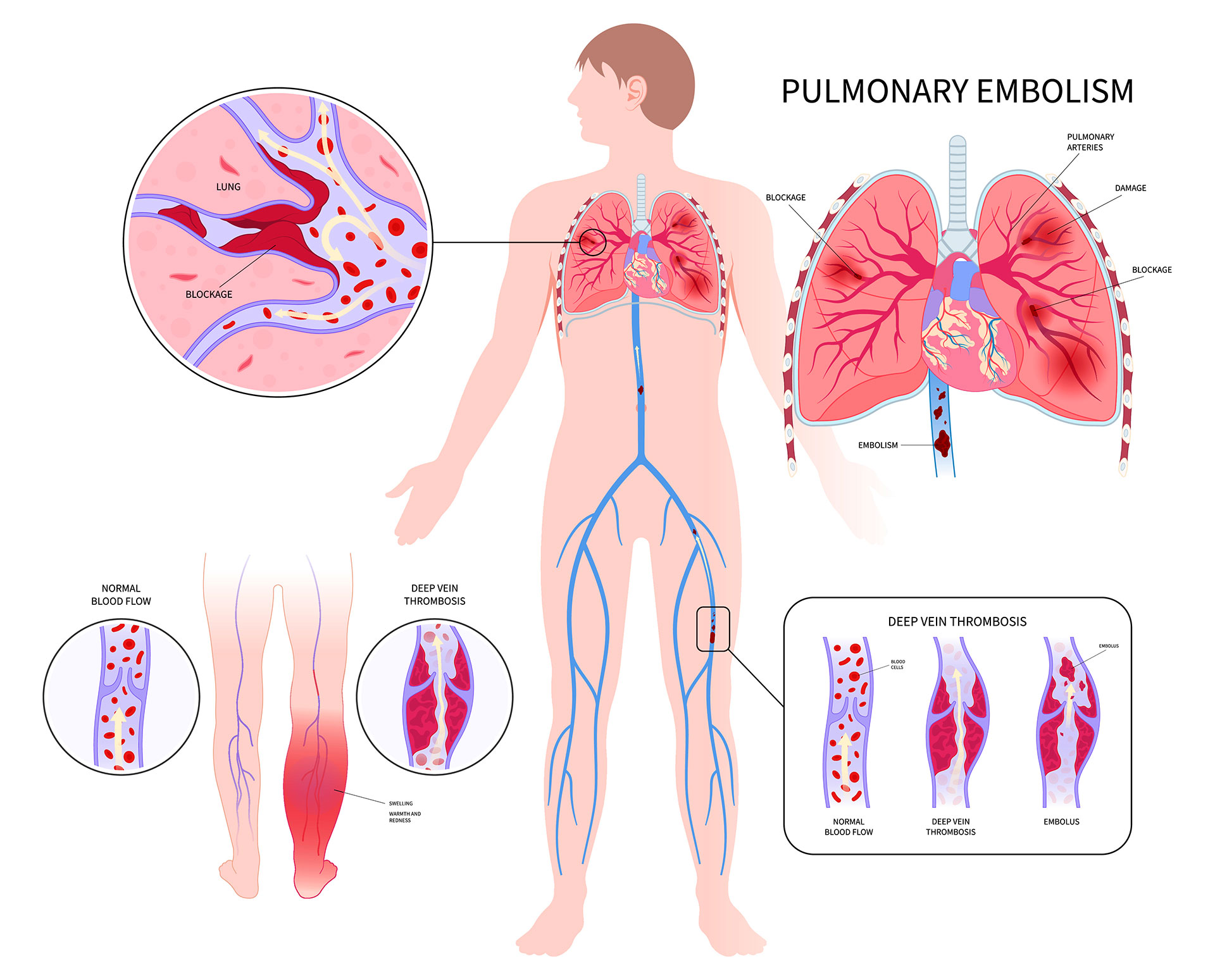
A concerning complication arises when inflammation spreads deeper. If a clot in superficial vessels extends upward into deep veins, it can progress to deep vein thrombosis (DVT).
Pulmonary Embolism (Life-Threatening Lung Blockage)
Recent research examining over 400,000 adults revealed that varicose veins substantially elevate the likelihood of developing deep vein thrombosis.
DVT develops when blood clots form within deep veins, most commonly in the legs. While some people experience pain and swelling, including edema lower legs, others show no outward symptoms.
The gravest danger occurs when these clots dislodge and migrate through the circulatory system. Here’s how this life-threatening sequence unfolds:
Blood from the legs travels upward to the heart, which then pumps it toward the lungs via pulmonary arteries, vessels designed to transport blood from the heart’s right chambers to lung capillaries. Within the lungs, blood receives its vital oxygen supply.
When a traveling clot lodges in a pulmonary artery, it can inflict serious lung damage and prevent adequate oxygen delivery to the bloodstream. Oxygen deprivation then compromises other vital organs throughout the body. Large blockages can prove fatal.
Available Treatment Options?
Pain during walking, sitting, or standing may indicate venous insufficiency, a clear warning signal demanding attention. The good news is that effective, minimally invasive treatments exist. These modern vein treatments typically require no recovery period and are frequently covered by health insurance.
The diagnostic process begins with an ultrasound examination performed by a vascular specialist trained to identify venous reflux, the medical term for veins that have lost their ability to circulate blood effectively.
When reflux is confirmed, specialists may recommend radiofrequency ablation. This non-surgical approach uses controlled thermal energy to seal the malfunctioning vein. The body naturally absorbs the sealed vessel over time, restoring normal circulation and eliminating discomfort.
If you’re experiencing warning signs, don’t delay addressing your vein health. Treating varicose veins now can help prevent serious complications, including deep vein thrombosis, in the future. Modern vein treatment has helped thousands of people eliminate leg pain and discomfort.
Frequently Asked Questions
Can varicose veins lead to blood clots?
Yes. Untreated varicose veins can contribute to thrombophlebitis, clot formation in surface veins, which in more serious cases can extend into deep veins and develop into deep vein thrombosis (DVT).
Is bleeding from varicose veins dangerous?
It can be. Varicose veins sit close to the skin and can bleed significantly from even minor trauma. In some cases bleeding occurs spontaneously, particularly in elderly patients with fragile vein walls, and can be difficult to control.
Are varicose vein treatments covered by insurance?
Often yes. When varicose veins cause symptoms like pain, swelling, or heaviness, rather than being purely cosmetic, treatments such as radiofrequency ablation are frequently covered. An ultrasound diagnosis confirming venous reflux typically supports the insurance case.
Take control of your vein health now.