Nearly 1 in 4 adults have chronic venous insufficiency and most do not know it. Recognizing these warning signs early changes everything.
23%
of U.S. adults live with chronic venous insufficiency
3 yrs
average delay before patients receive a correct diagnosis
4+
conditions that routinely mask vein disease symptoms
Overview
What is vein disease?
Vein disease, also called chronic venous insufficiency or venous reflux, happens when the tiny valves inside your leg veins stop working properly. Healthy valves act as one-way doors, pushing blood upward toward the heart. When they weaken or fail, blood flows backward and pools in the lower legs, creating pressure that builds over time.
The two most recognizable forms are varicose vein diseases and spider veins. What makes vein disease especially frustrating is how often it gets misattributed to restless leg syndrome, lymphedema, diabetes-related changes, or simple fatigue. That misdiagnosis delays real treatment and allows the condition to advance quietly. A duplex ultrasound performed by a trained vascular specialist is the only reliable way to confirm venous reflux.
“Vein disease is not just a cosmetic problem. Left untreated, it progresses from visible bulging veins to chronic leg pain, skin breakdown, and hard-to-heal ulcers.”
The 5 signs
Signs that get worse the longer you wait
Sign01
Bulging veins and skin discoloration
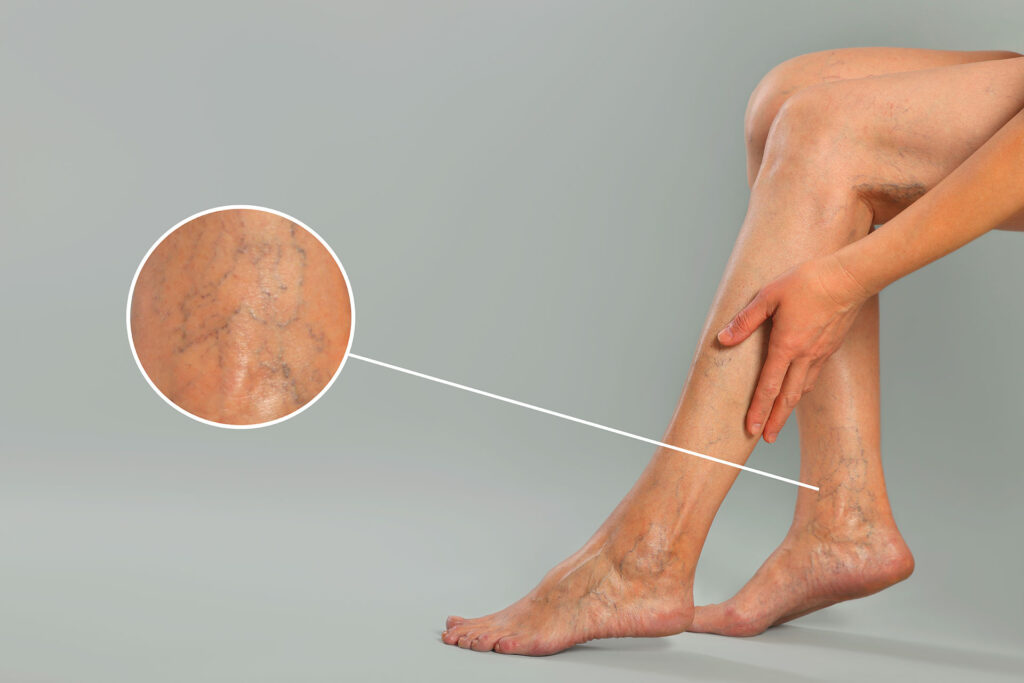
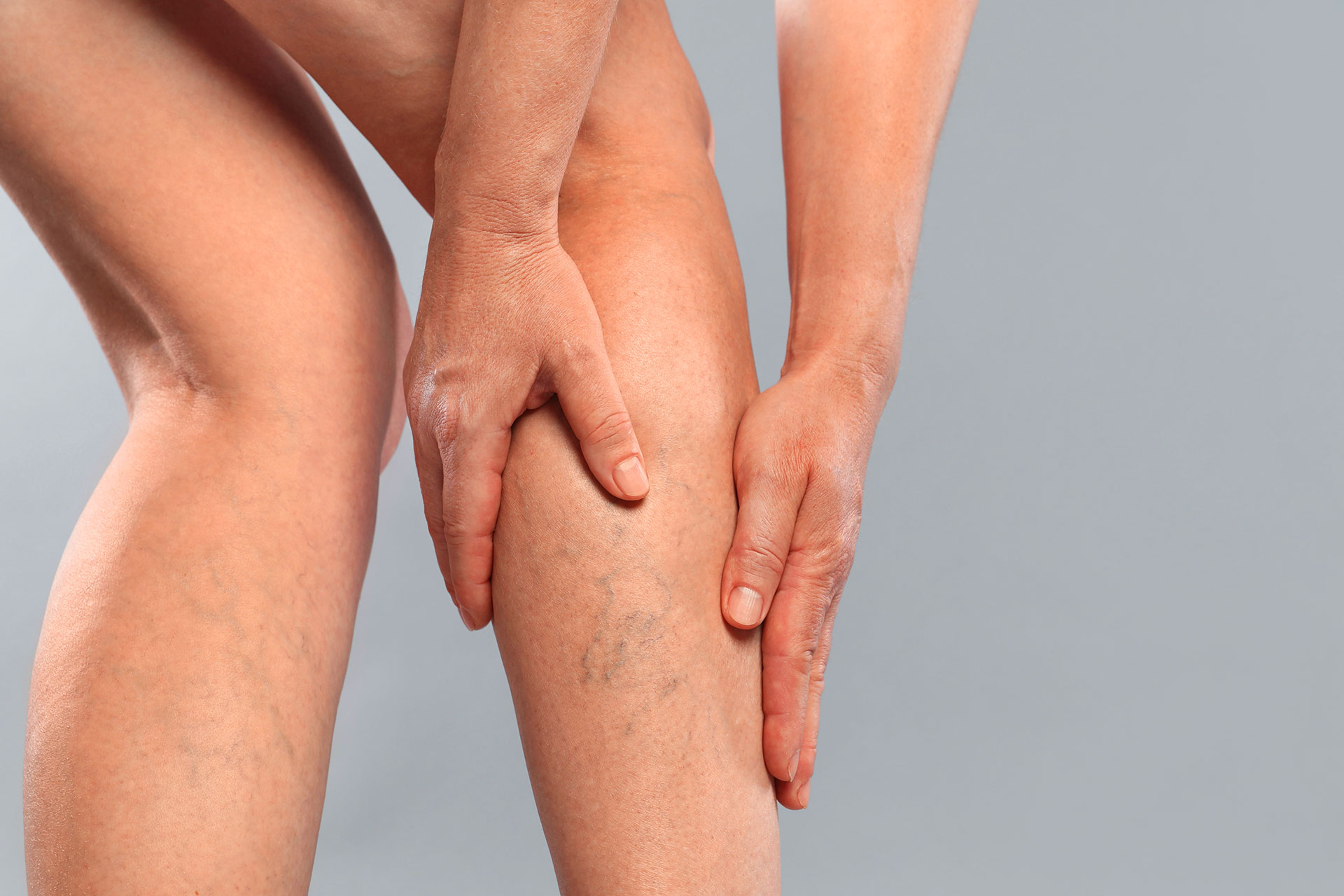
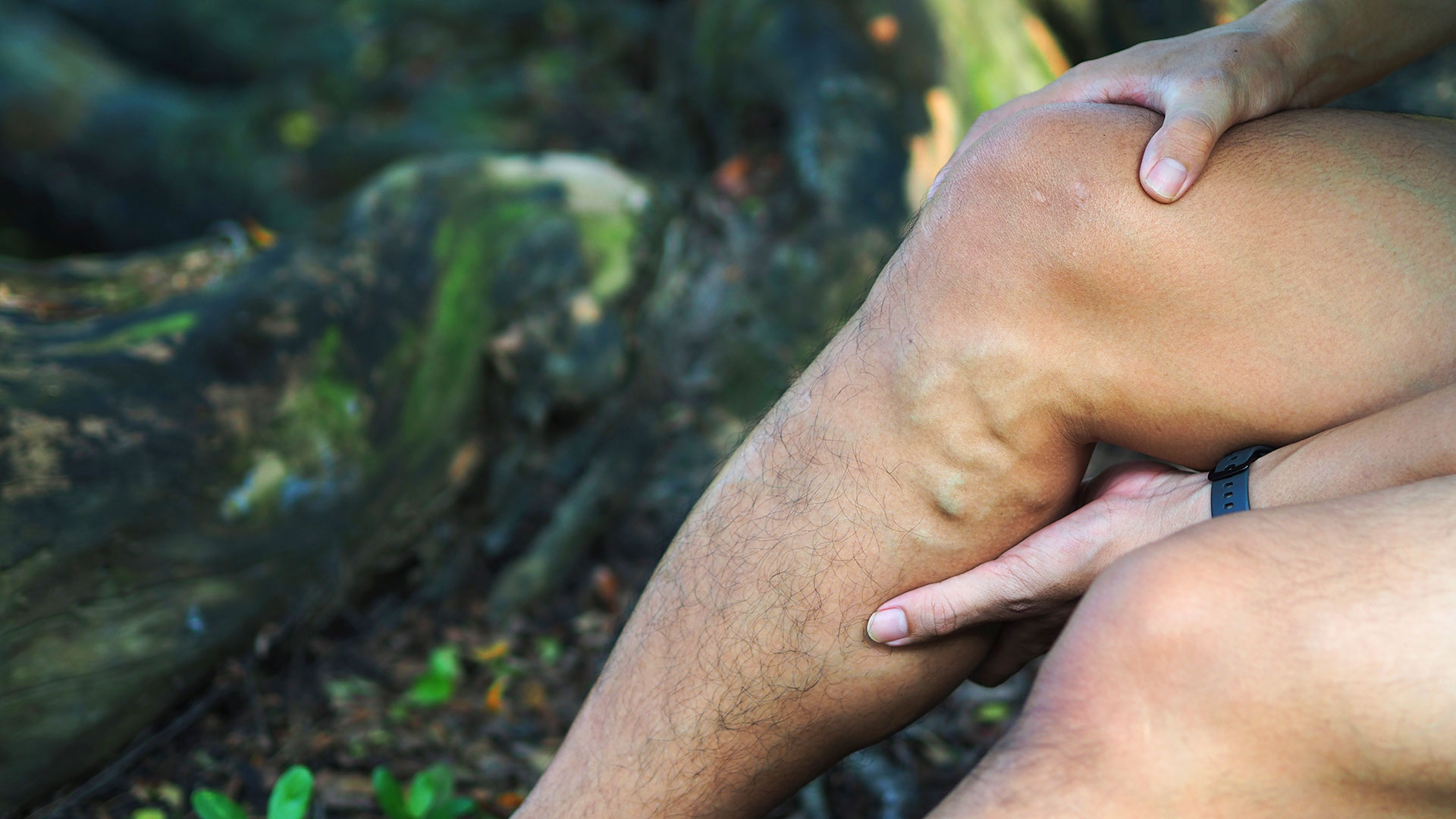
When vein disease takes hold, blood reverses from deep veins into the superficial vessels just beneath your skin. As pressure mounts, those veins stretch outward into the rope-like bulging veins you can see. Over time, red blood cells leak into surrounding tissue, leaving a brownish or reddish skin discoloration around the ankles and shins that does not fade. Smaller web-like clusters that appear alongside varicose veins are spider veins, a related condition with its own targeted treatments.
Sign02
Leg heaviness that builds through the day
Leg heaviness is the most reported and most dismissed symptom of vein disease. Pooling blood creates a physical weight your muscles must compensate for, producing that dragging, leaden sensation that worsens by evening and eases only when you lie down. Most patients assume they are simply tired. The pattern of morning relief followed by afternoon heaviness is the giveaway.
Sign03
Swelling around the ankles and lower legs
Consistent swelling that accumulates through the day and leaves sock marks around your ankles is a hallmark of vein disease in legs. Faulty valves allow fluid to leak from vessels into surrounding tissue. This worsens after prolonged sitting or standing and travels with leg pain, itching, and tightness. Unlike swelling from other causes, this kind reliably improves overnight with elevation.
Sign04
Itching, burning, and restless legs at night
Persistent itching or a burning sensation over the veins signals irritation and inflammation in the vessel walls. When these symptoms appear alongside an uncontrollable urge to move your legs at night, vein disease is a serious suspect. Many patients carrying a restless leg syndrome diagnosis actually have underlying venous insufficiency driving their symptoms. In cases where chronic leg pain is also present, pain specialists and vascular doctors often collaborate on a combined evaluation.
Sign05
Skin changes and slow-healing sores
This is vein disease at its most advanced. Skin near the ankles becomes dry, flaky, and hardened. Dark patches form and spread. In the most serious cases, venous ulcers develop, open sores that resist healing for months because the underlying circulation problem has never been addressed. This stage is entirely preventable when earlier signs are caught in time.
Why vein disease gets misdiagnosed
Its symptoms overlap with diabetes, heart failure, kidney disease, and lymphedema. Only a duplex ultrasound performed by a trained vascular specialist can evaluate blood flow direction and confirm venous reflux. If your symptoms persist after a general ultrasound, a second opinion from a dedicated vein clinic is worth pursuing.
Self-check
Do I have vein disease?
Two or more yes answers warrants a consultation with a vein specialist and a venous ultrasound.
My legs feel noticeably heavier or more tired by late afternoon
I have visible bulging veins or discoloration on my legs or ankles
My ankles swell regularly, especially after standing for long periods
I experience leg pain, cramping, or itching with no clear cause
Elevating my legs brings noticeable relief within minutes
Treatment
What actually works beyond compression socks
Compression stockings manage symptoms but do not fix the underlying valve failure. These minimally invasive in-office procedures close diseased veins permanently, redirecting blood to healthy vessels.
Option 01
Radiofrequency ablation
A catheter delivers heat to seal the diseased vein shut. Local anesthesia only. Under one hour. Patients typically return to normal activity the same day. Learn more about radiofrequency ablation and what the procedure involves.
Option 02
VenaSeal
Medical-grade adhesive injected under ultrasound guidance. No heat. No post-procedure compression stockings required.
Option 03
Sclerotherapy
Solution or foam collapses smaller varicose and spider veins over several weeks. See the leading spider vein treatments currently in use.
FAQ
Questions people ask about vein disease
Is leg heaviness always a sign of vein disease?
Not always, but it is one of the most characteristic patterns. Heaviness that worsens throughout the day and improves with elevation strongly suggests venous insufficiency. If it is chronic and unexplained, a vein evaluation is the right next step.
Can thin or active people develop varicose vein diseases?
Yes. Genetics, prolonged standing, pregnancy, and age are all independent risk factors. Thin and physically active individuals develop varicose vein diseases regularly, sometimes without any visible bulging veins at all.
Does vein disease get worse without treatment?
It typically does. Venous insufficiency is progressive by nature. Pressure builds in affected veins over time and in advanced cases patients develop ankle ulcers that resist healing for months. Catching it at the leg heaviness or swelling stage leads to far simpler treatment and faster recovery.
I have seen news about public figures and vein conditions. Is this really that common?
More common than most people expect. Vein disease affects roughly 23% of American adults. High-profile cases do surface in the news periodically and tend to raise awareness, but the real takeaway is that vein disease crosses all demographics, is regularly underdiagnosed, and is treatable at every stage.
What kind of doctor treats vein disease?
A board-certified vascular surgeon, interventional radiologist, or interventional cardiologist with specific training in venous disease. These specialties include supervised endovascular training during residency or fellowship, which is the current standard of care for treating varicose vein diseases.
Think you might have vein disease?
A vein specialist can evaluate your symptoms and determine whether a venous ultrasound is the right next step.